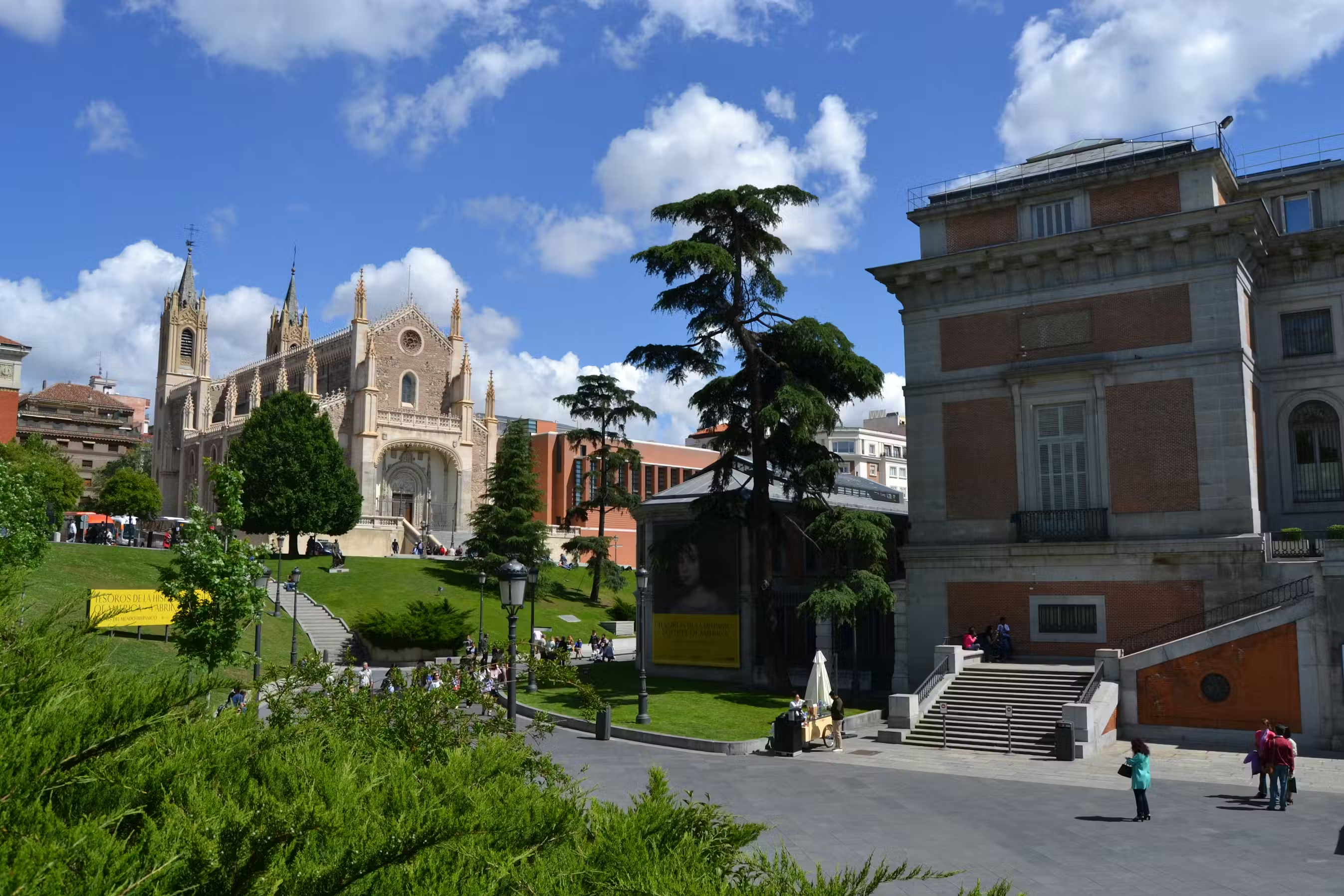
Prado Museum Tickets

Stand in front of Velázquez's Las Meninas, walk into Bosch's Garden of Earthly Delights, and confront Goya's Black Paintings — all in the world's greatest collection of Spanish painting. Founded in 1819 and home to 8,000 works, the Prado is the cornerstone of Madrid's Golden Triangle of Art. Book your skip-the-line slot in seconds.

Buy Tickets
3M+
Annual Visitors
8,000+
Paintings on Display
3 hrs
Typical Visit

The Prado is Spain's national art museum, opened in 1819 and built around the royal collection of the Spanish Habsburgs and Bourbons. Today it holds 8,000+ paintings, 1,000 sculptures and the most important Velázquez, Goya, Titian and Bosch holdings anywhere in the world. Skip-the-line tickets are essential at peak times — direct entry queues at the Goya door regularly stretch past an hour. Plan your visit with our visitors guide, the latest opening hours and our best time to visit page.
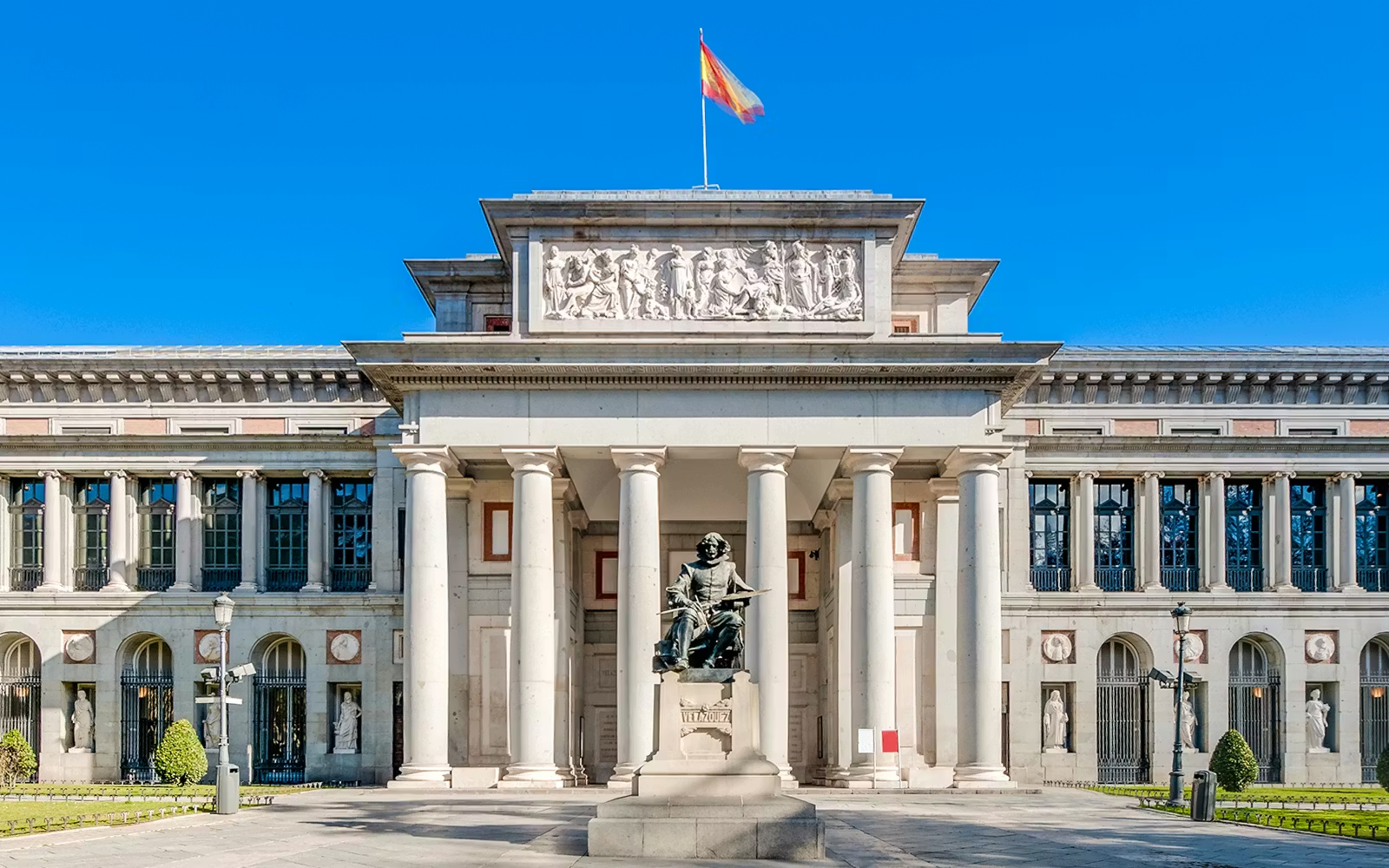
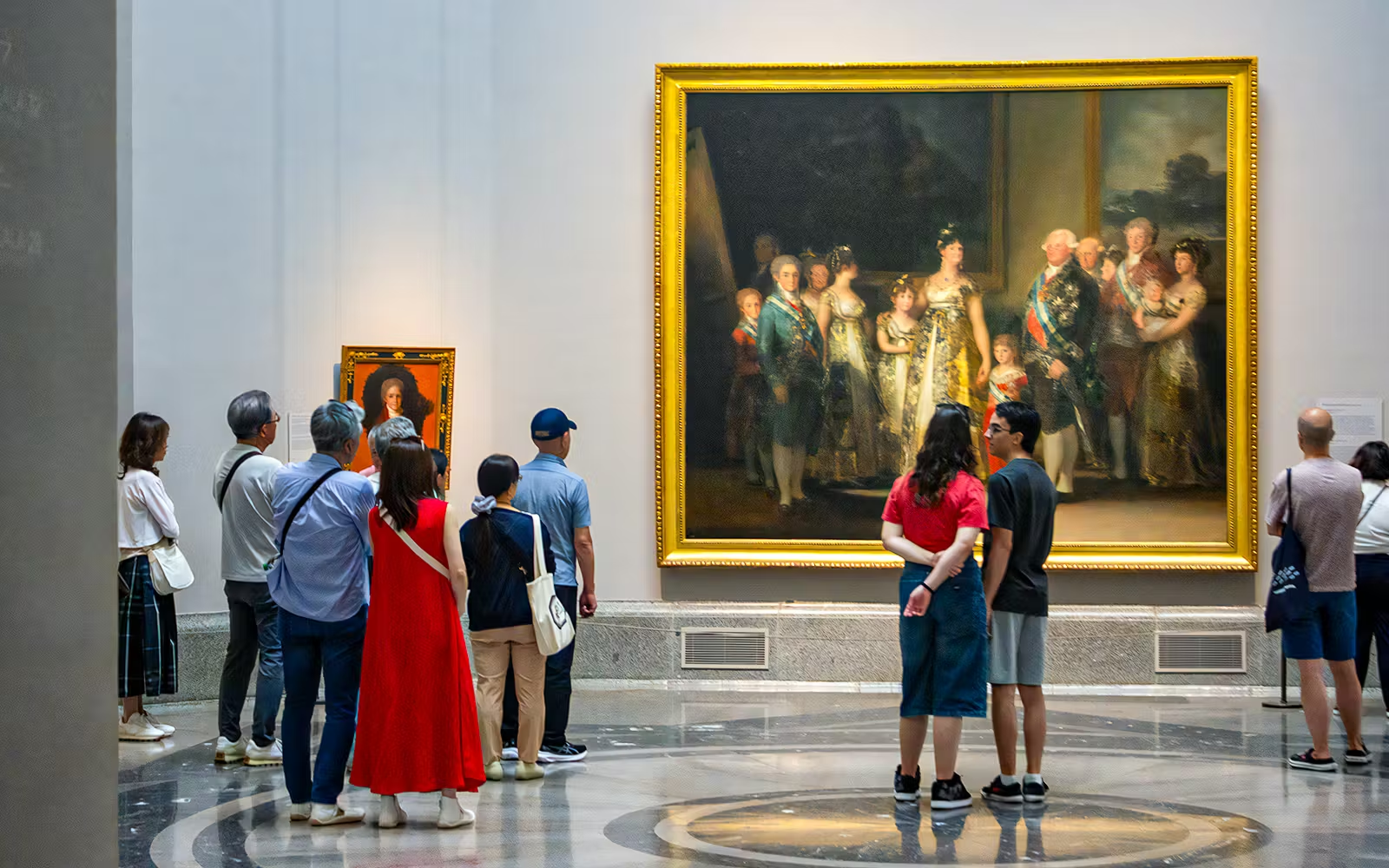
Available Tickets

Ticket prices breakdown

    • Adults: €15 — general admission to the permanent collection across all three buildings.
    • Reduced (students 18–25, seniors 65+): €7.50 with valid ID at the entrance.
    • Children & teens (0–17): Free — a free timed-entry ticket is still required.
    • Free admission windows: Mon–Sat 18:00–20:00 and Sun & holidays 17:00–19:00 — open to everyone, but expect long queues.
    • Audio guide add-on: €5 — available in 8+ languages, focuses on 50 key works.
    • Guided tour add-on: from €15 per person on top of admission, small groups of up to 15.

Why book with us

The smartest way to visit the Prado Museum

Skip the Line

Walk past the long queue at the Goya door with a pre-booked timed-entry ticket. Direct queues regularly stretch over an hour at peak times.

🎧

Audio Guide

Add the official Prado audio guide in 8+ languages — narration on 50 key masterpieces from Velázquez to Goya, designed by museum curators.

Free Cancellation

Plans change. Cancel up to 24 hours before your visit for a full refund — no questions asked, no hidden fees.

📱

Mobile Tickets

Show your ticket directly from your phone at the entrance. No printing, no paper, no waiting at the box office.

Las Meninas — the painting that stares back

Diego Velázquez painted Las Meninas in 1656 inside the Alcázar Royal Palace, and the canvas has puzzled viewers for almost four centuries. The five-year-old Infanta Margarita stands at the centre, framed by her maids of honour, a chaperone, a dwarf and a sleeping mastiff — but it's the painter himself, brush in hand, who looks straight out at you. In the mirror behind, two reflections: King Philip IV and Queen Mariana. Are they posing? Is Velázquez painting them? Are you the king?

The painting hangs in Room 12 of the Villanueva building, in a gallery designed specifically around it. Plan to spend at least 15 minutes here — it rewards every minute of slow looking.
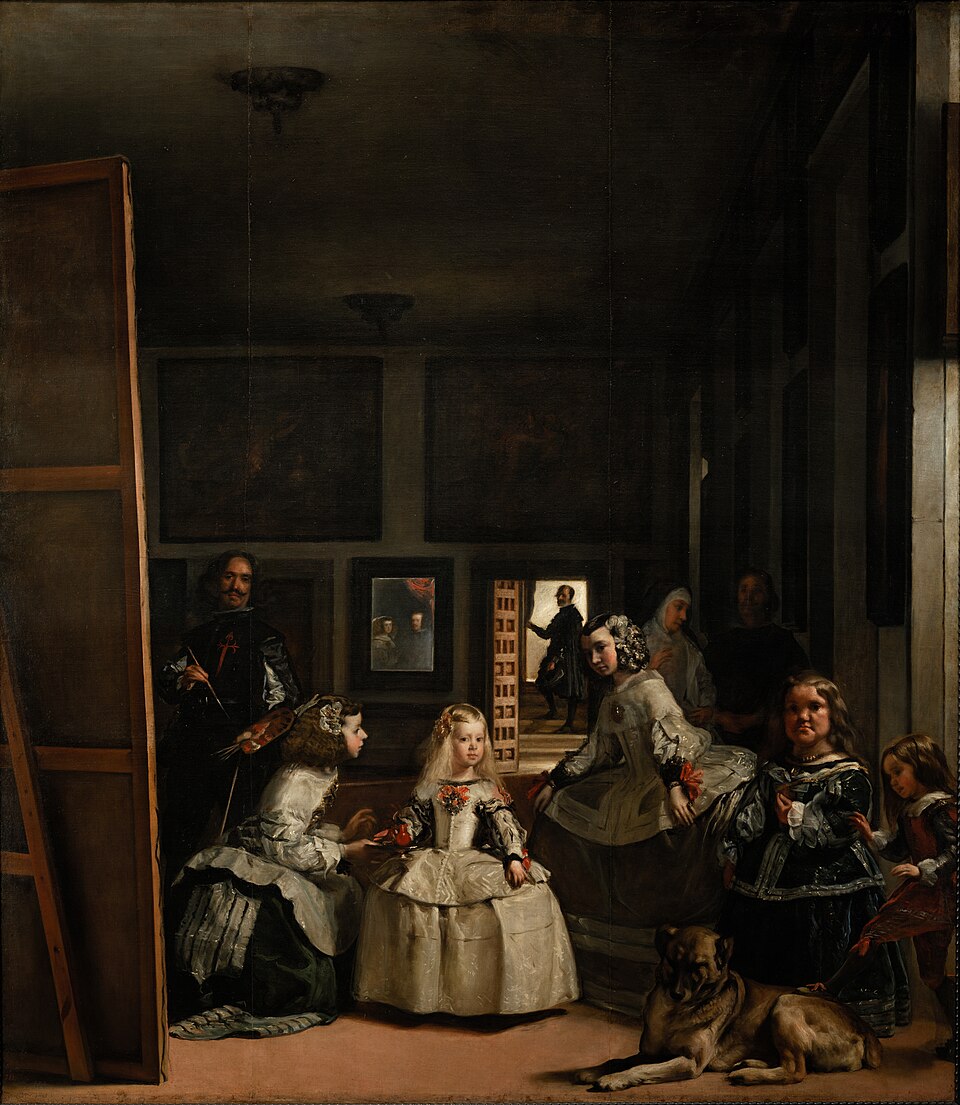
Las Meninas by Velázquez

How It Works

Visit the Prado in 3 simple steps

1

Choose Your Slot

Pick a date and 30-minute timed-entry slot. Add an audio guide or a small-group tour if you want curator-level commentary on the masterpieces.

2

Book Online

Secure checkout with instant email confirmation. Your mobile ticket arrives in minutes, ready to scan at the door.

3

Show at Entry

On the day, walk to the Jerónimos entrance on Calle Ruiz de Alarcón, scan your ticket, and head straight to Room 12 to start with Las Meninas.

Frequently Asked Questions

Everything you need to know before your visit

How much are Prado Museum tickets?
General admission for adults is €15. Students 18–25 and visitors 65+ pay €7.50 with valid ID. Under-18s enter free, and free admission windows run Mon–Sat 18:00–20:00 and Sun & holidays 17:00–19:00 — see our free & reduced tickets page for the full eligibility list.
Do I need to book in advance?
Strongly recommended. The Prado does sell tickets at the door, but the queues at the Goya entrance regularly stretch over an hour during summer and on free-admission evenings. Booking online with a timed slot is the only reliable way to skip the queue. See best time to visit for quieter slots.
Where exactly is the museum?
On the Paseo del Prado in central Madrid, between the Botanical Garden and the Plaza de Cánovas del Castillo. The address is Calle de Ruiz de Alarcón 23, 28014. Metro: Banco de España (line 2) or Estación del Arte (line 1), both 5 minutes on foot. Full directions are on our visitors guide.
How long should I plan for the visit?
Most visitors spend 2.5 to 3 hours inside, which covers the Velázquez, Goya, Bosch and El Greco rooms. A full visit covering every gallery would take 5+ hours; pacing yourself is essential.
Is Las Meninas always on display?
Yes, except during very rare conservation work. The painting is permanently shown in Room 12 of the Villanueva building, in a gallery designed around it.
Can I take photos inside?
No — photography and video are not allowed in the permanent collection at any time. The full list of restrictions is on our rules & regulations page; the museum shop sells reproductions of every major work.
Is the museum wheelchair accessible?
Fully. All three buildings (Villanueva, Jerónimos and Casón del Buen Retiro) are reached by lift and the route is step-free. Free wheelchair loan is available at the Jerónimos entrance — see our accessibility page for details on companion-free entry, audio descriptions and sign-language tours.
Are children free?
Yes. Everyone under 18 enters free of charge. A free timed-entry ticket is still required for each child — book it in the same order as paying adults.
Is the free admission window worth it?
Only if you arrive 30 minutes before it starts and accept the queue. The free window (Mon–Sat 18:00–20:00, Sun & holidays 17:00–19:00) draws huge crowds and you typically lose 30–60 minutes in line. A €15 timed-entry ticket buys back that time.
Can I combine the visit with the Reina Sofía and Thyssen?
Yes — the three museums form Madrid's "Golden Triangle of Art", all within a 10-minute walk. The Paseo del Arte combination ticket includes all three and saves €11.30 over individual tickets. We recommend splitting them across two days to avoid art fatigue.
Buy Tickets